Detecting a gas leak in your Brisbane property is crucial for ensuring the safety of your home or business. Gas leaks can pose serious risks, including fire hazards, explosions, and health issues caused by inhalation. Knowing the warning signs and taking immediate action can help prevent dangerous situations and protect both people and property.
Common Signs of a Gas Leak
One of the most noticeable signs of a gas leak in Brisbane homes is a strong sulphur or “rotten egg” smell. This odour is added to natural gas to make leaks easier to detect. Other warning signs include hissing sounds near gas lines, dead plants around outdoor gas pipes, and unusually high gas bills. If you notice any of these signs, it is important to act quickly.
Physical Symptoms of Gas Exposure
Gas leaks can also affect your health. Common symptoms include dizziness, headaches, nausea, fatigue, and difficulty breathing. In Brisbane properties, prolonged exposure to a gas leak can become life-threatening. If you or anyone in your household experiences these symptoms, leave the property immediately and seek fresh air before contacting emergency services or a licensed gas fitter.
Checking Gas Appliances and Connections
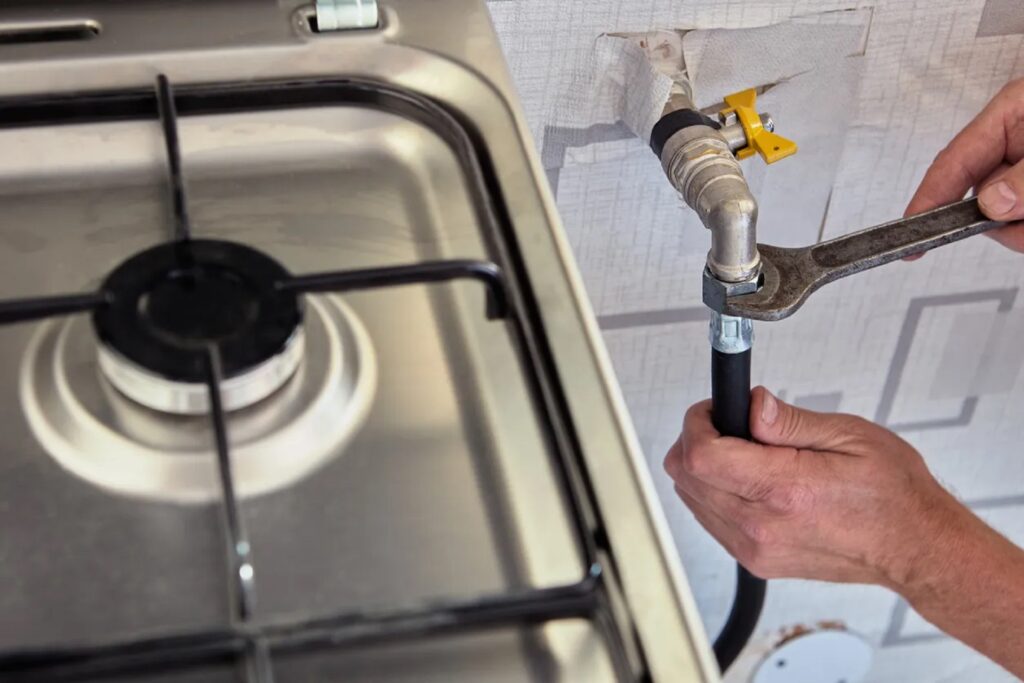
Regularly inspecting gas appliances and connections can help detect leaks early. In Brisbane homes, check for loose fittings, damaged hoses, or worn-out seals around stoves, heaters, and hot water systems. While visual inspections can help identify obvious issues, only a licensed professional should carry out repairs or detailed testing to ensure complete safety.
Using Professional Leak Detection Tools
Licensed gas fitters in Brisbane use specialised equipment to accurately detect gas leaks. These tools can identify even small leaks that may not be noticeable through smell or sound. Professional testing ensures all gas lines and connections are secure, providing peace of mind that your system is operating safely.
What to Do If You Suspect a Gas Leak
If you suspect a gas leak in your Brisbane property, do not use electrical switches, open flames, or appliances, as they can ignite the gas. Turn off the gas supply if it is safe to do so, evacuate the area immediately, and contact a licensed emergency gas plumber. Acting quickly can prevent serious accidents and ensure the issue is resolved safely.
Preventing Future Gas Leaks
Routine maintenance is key to preventing gas leaks in Brisbane homes. Scheduling regular inspections with a licensed gas fitter helps identify potential issues before they become dangerous. Replacing old appliances, upgrading worn components, and ensuring proper installation all contribute to a safer gas system.
Conclusion
Detecting a gas leak in your Brisbane property involves recognising warning signs such as unusual smells, sounds, and health symptoms. Quick action and professional assistance are essential to ensure safety and prevent serious risks. Regular inspections and proper maintenance help keep gas systems secure and reliable for long-term use.

 Call Us
 Text Us